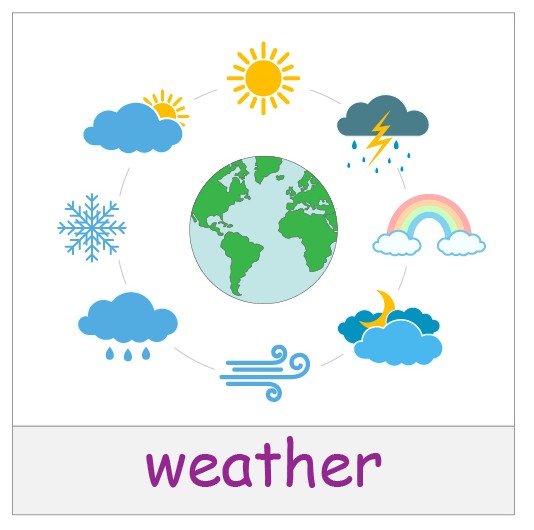
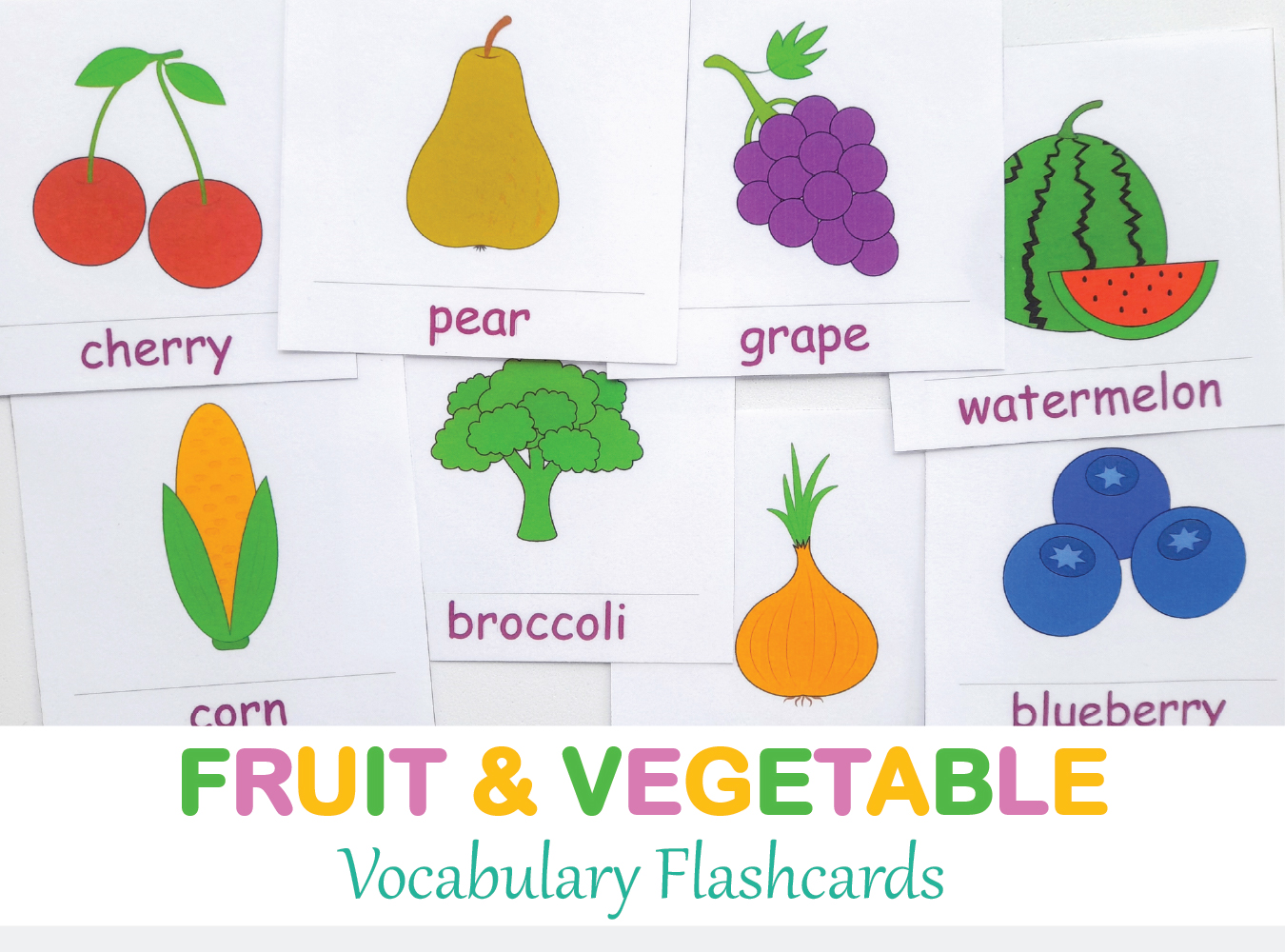
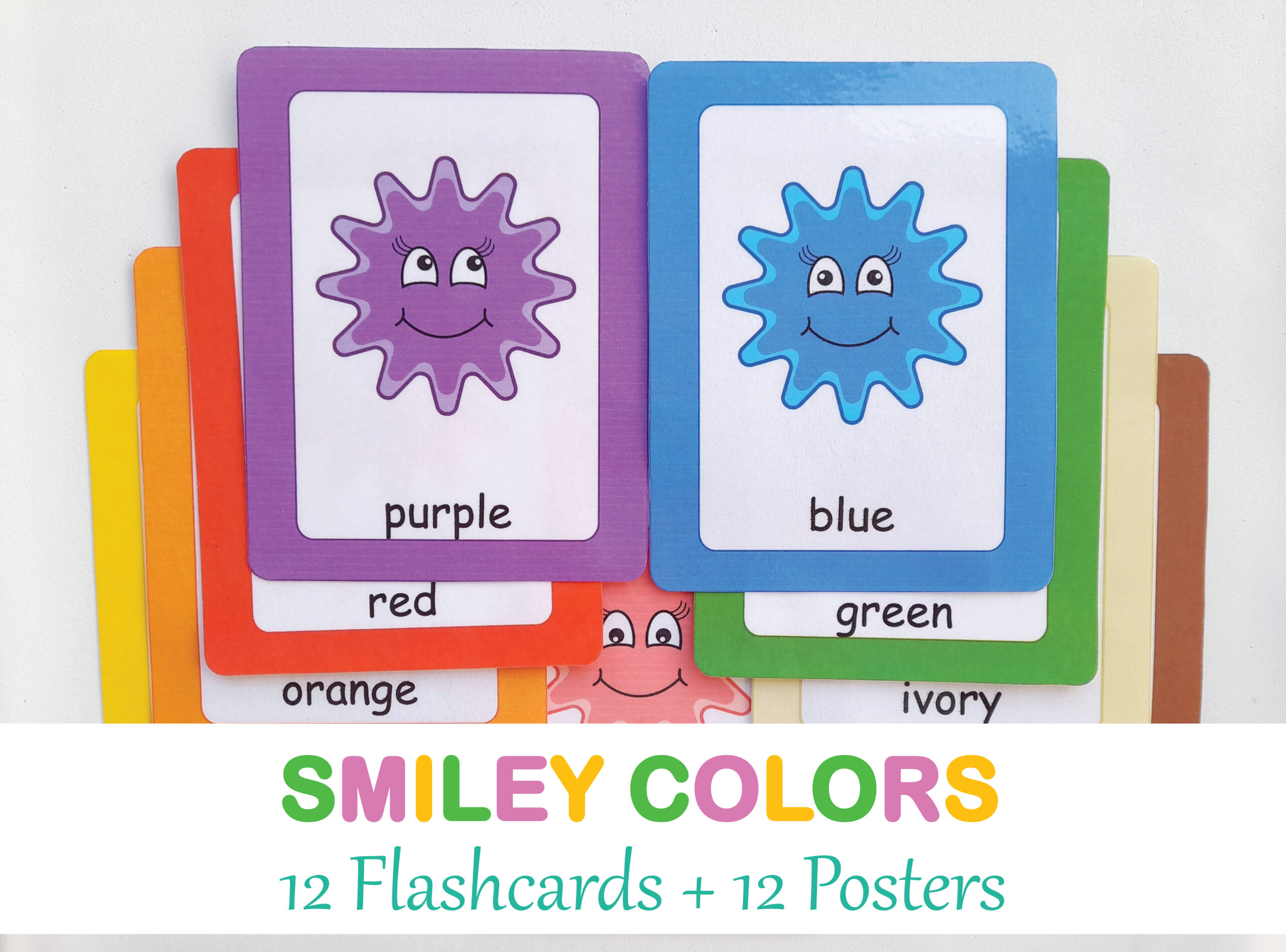
Those cute cards with pictures and words used to build a child’s first vocabulary are far more than a short-term toddler fun. Vocabulary flashcards can evolve alongside your kid’s learning. In this article, we share our 10 favorite flashcard activities and games, inspired by our own experience and designed to grow with your little learner, from babyhood through preschool and early school age.
For even more ideas, don’t miss our follow-up article, 10 More Learning Activities with Vocabulary Flashcards, full of engaging activities for older preschoolers, kindergarteners, and early-grade students.
This is a classic activity we think of when we hear the word flashcards. This proven method introduces new words in a fun and engaging way. It requires little time and effort, making it ideal for:
To start, show a card for 2 seconds. Clearly pronounce the word, and then move on to another card. Focusing on one card at a time helps with concentration and memory.
We began this practice when my daughter was just six months old. We did short daily sessions with ten cards, lasting no more than a minute. Every few days, I replaced one card with a new one while keeping the total number of cards consistent.
Revisiting Vocabulary
Our advice is to choose a specific vocabulary topic. From time to time, revisit previously learned words to ensure the child retains them. Only move on to a new set of vocabulary words when the previous one has been mastered.
Little kids learn new words faster than they can speak them. This game is perfect for children aged one and older. After learning new words, a toddler can point to the correct one you pronounce from a selection of two or more cards.
We played this game after breakfast when my child was cozy and happy. I laid out two cards and named one word for her to find. When she identified the correct card, I would take them away and introduce a new pair. If she guessed incorrectly, I would simply point to the right card and move on.
A few minutes is all it takes for this game. It improves concentration, decision-making, and memory, along with training the sense of time.
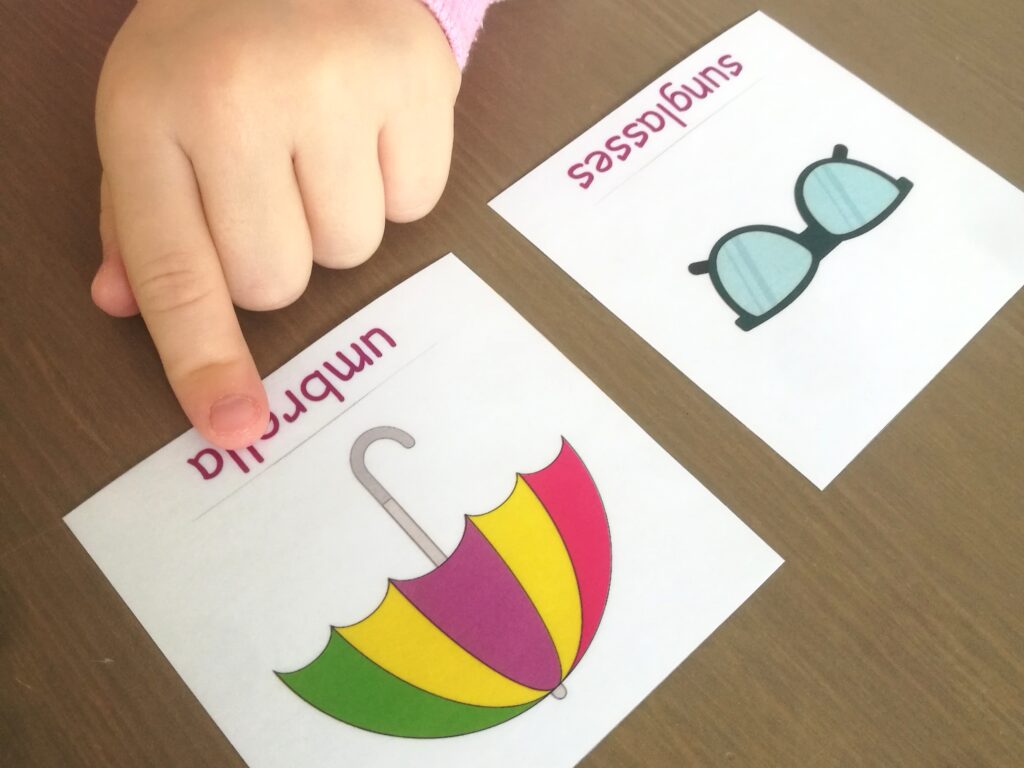
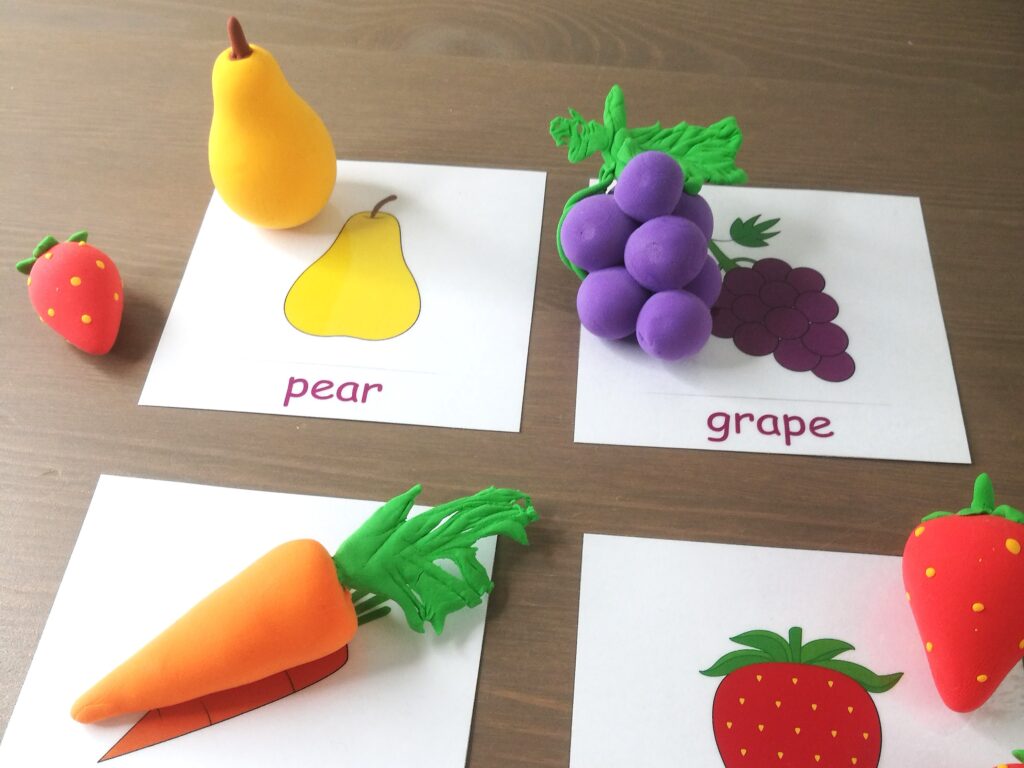
Matching is a crucial early learning concept and a basic pre-math skill. This engaging flashcard-to-toy matching activity helps children understand the concept effectively. Offer a few cards alongside matching toys, which do not need to look identical to the pictures — this adds to the challenge.
Have your child match toys to cards by placing each one on top of the corresponding card. This hands-on activity develops concentration, recognition skills, and fine motor coordination.
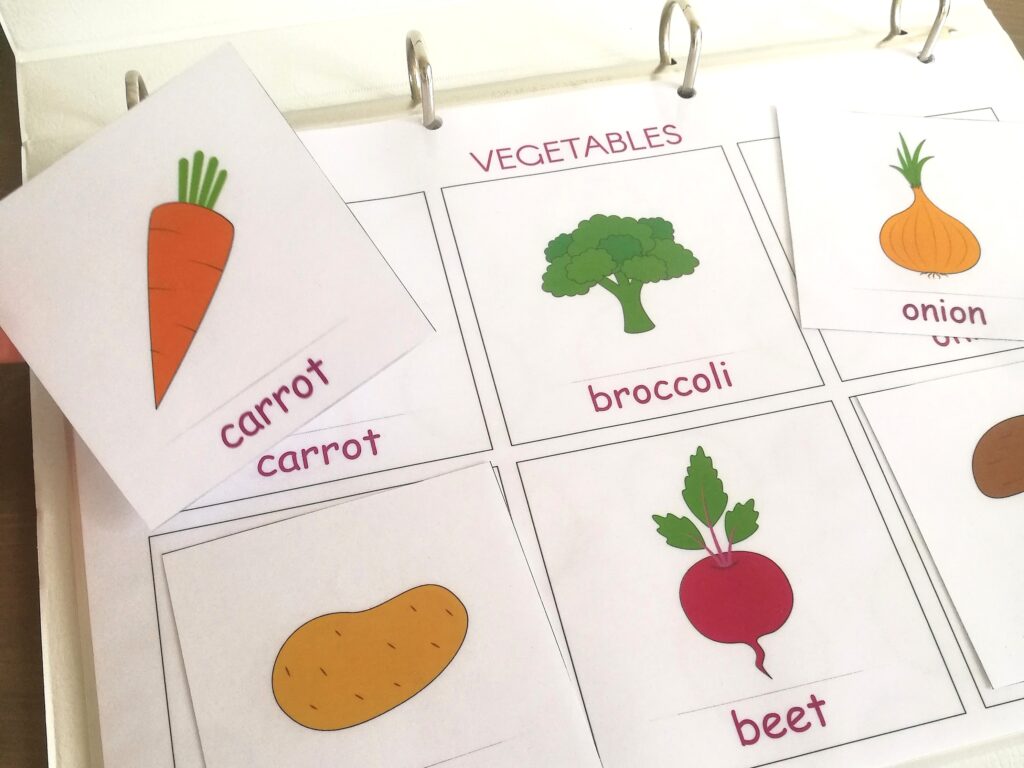
A Morning Work Binder, also known as a Busy Binder or Interactive Learning Folder, is a treasure for early learning. It typically contains sheets or worksheets designed to kick-start the day and promote productivity. Flashcards can be incorporated into Learning Binders as matching sheets or cards.
My daughter loved using Velcro dots with the matching pieces, making it a fun independent activity.
We utilized two strategies: matching same-picture-to-picture and picture-to-photo (where the picture shares the same object but features different representations).
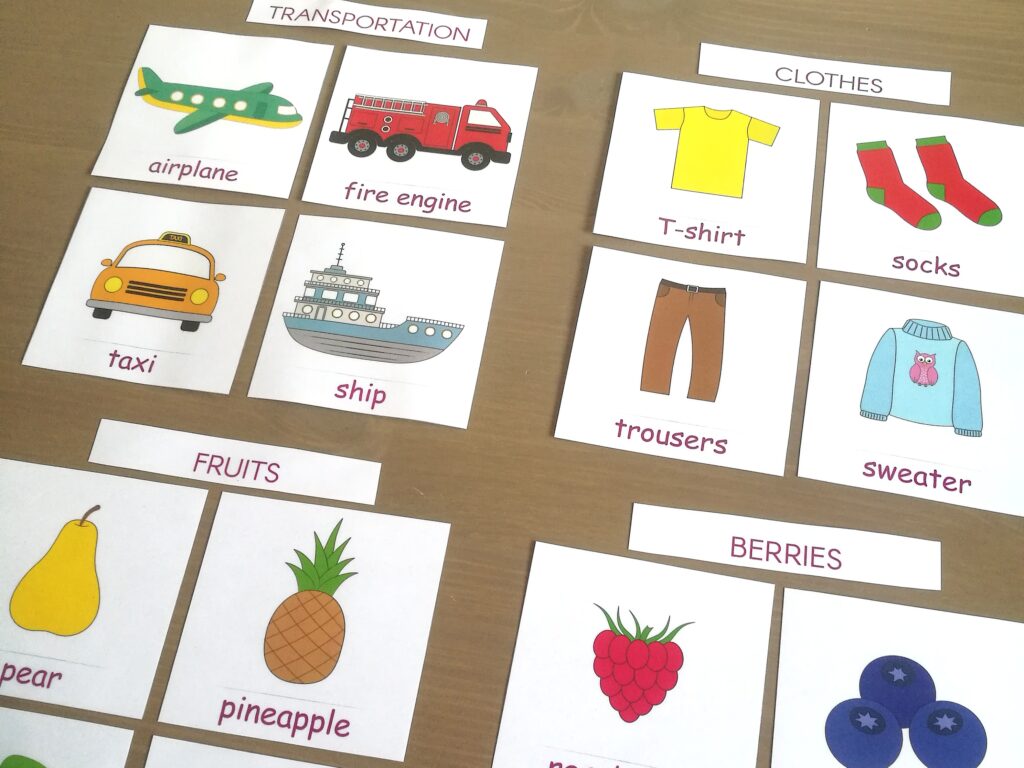
Sorting and grouping are essential pre-math skills where flashcards are incredibly helpful. Encourage your learner to sort flashcards scattered on a table into various categories, like in this 5-in-1 Flashcard Bundle.
Engaging Discussion
Dive deeper by discussing why a specific card belongs to a category. Ask your child questions about the qualities of the objects in the group. Additional language development topics for discussion could include animal sounds, fruit tastes, or seasonal clothing associated with specific weather.
Sorting flashcards by similar qualities presents a fun challenge and encourages out-of-the-box thinking.
Before children master reading, they need to learn letters and recognize sounds. This flashcard activity helps practice both skills simultaneously.
Older children in Pre-K and Kindergarten can be asked to write the beginning letter or even the entire word. Consider setting up a writing center for group activities or independent work using paper and clothespins for multiple cards.
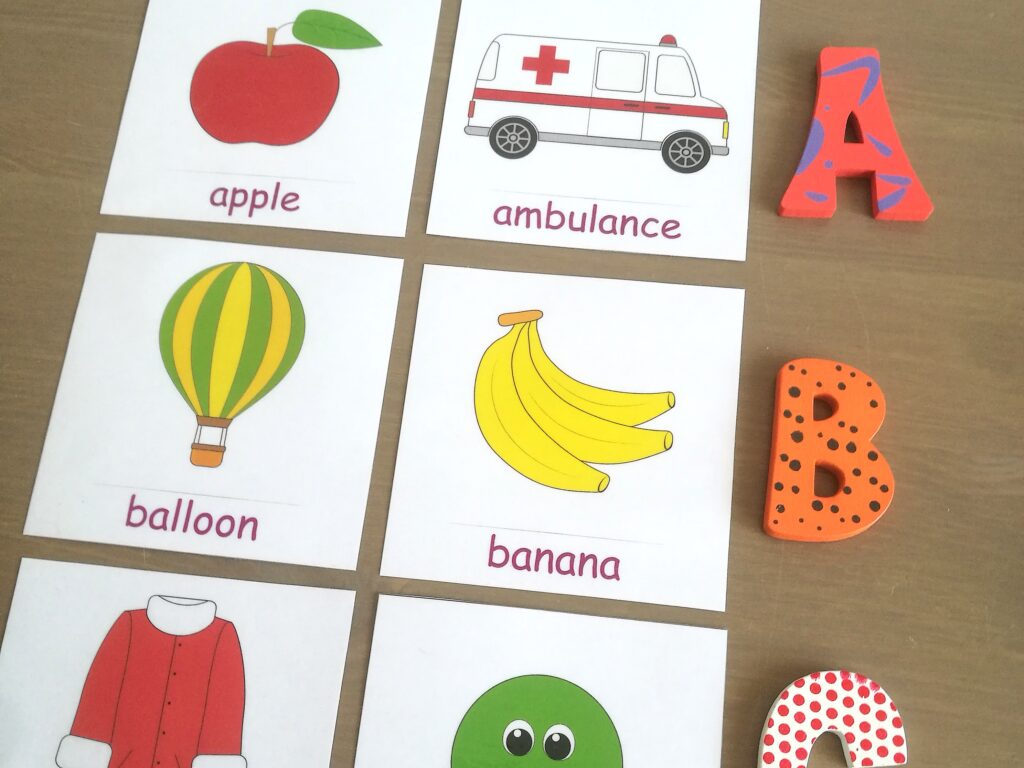
Similar to the previous activity, children identify the first sound from flashcard words. To increase difficulty, cut off the words, leaving only pictures, or print cards with pictures only.
Encourage the child to sort words into piles based on their beginning sounds. The next level includes identifying sounds or letters within a word. For example, finding words containing the letter “B”:
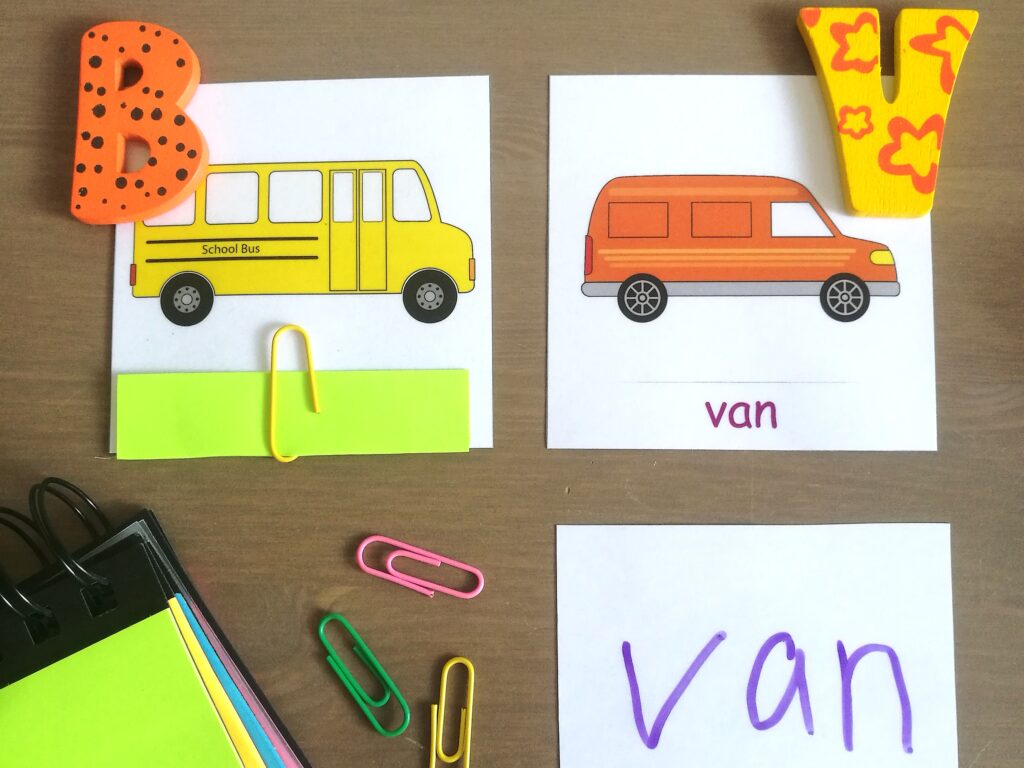
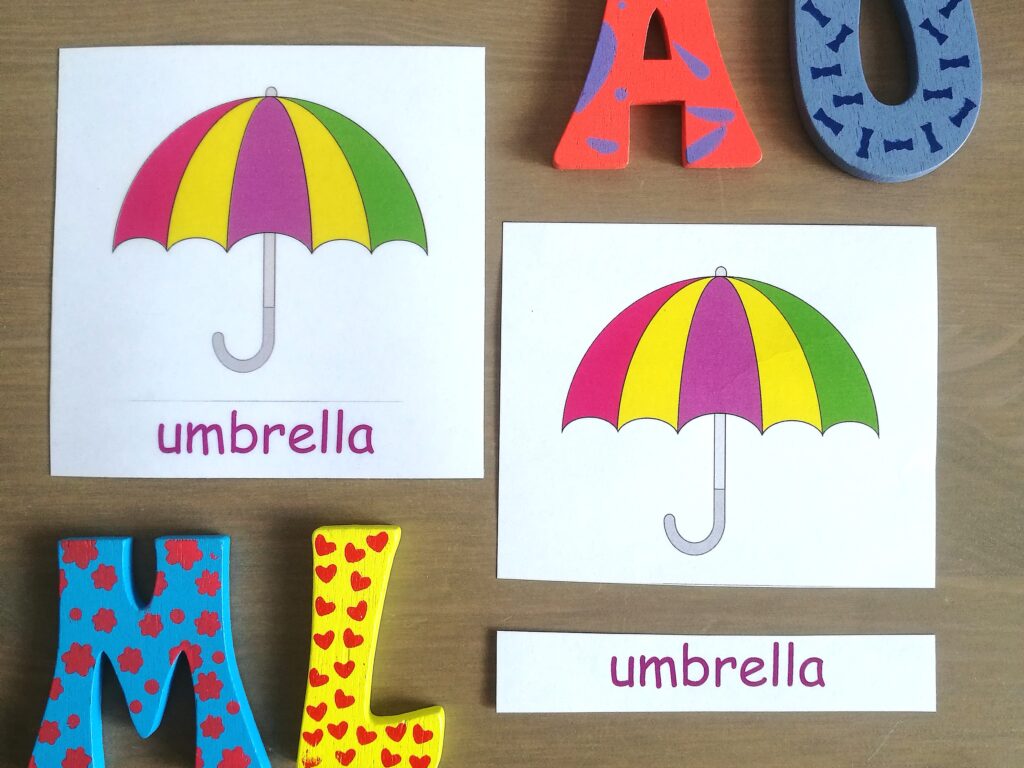
Creating themed flashcards with this amazing learning technique enriches the learning experience. I design flashcards so they can be printed twice, allowing for Montessori Three-Part Classification Cards. I keep one complete copy as a Control Card, while the second copy is cut into two parts: a picture card and a label word.
The child starts by learning the words with a few control cards, then progresses to matching pictures with their labels. This activity fosters memory, reading, matching, and recognition skills, making it great for independent work. Young learners can verify their answers by consulting the control card.
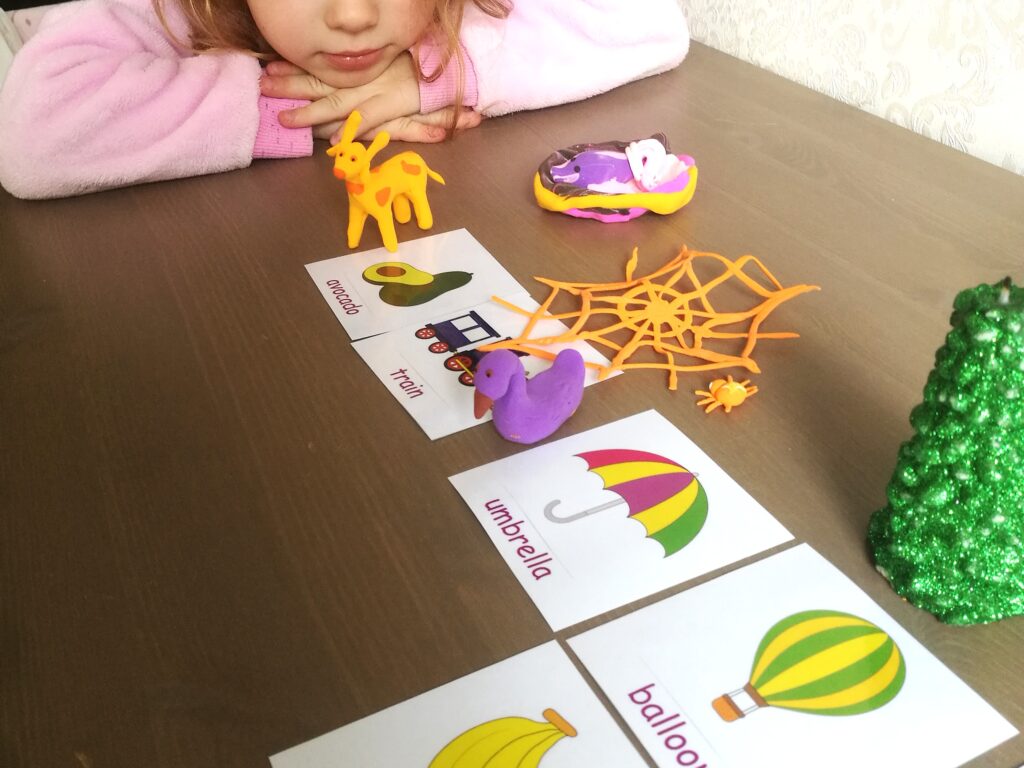
With a few sets of vocabulary cards, ask your child to pick random cards. Arrange them in a line and start creating a story, moving from one card to another. This activity fosters imagination, creativity, and composition skills while ensuring there are no right or wrong answers.
This game is ideal for both parent-child interaction and group play. Kids can take turns adding sentences to the story. If they can write, creating a storybook with added pictures and details would provide a unique experience. Get a package discount on our 5-in-1 Flashcard Bundle to enhance this storytelling activity and let creativity flow!
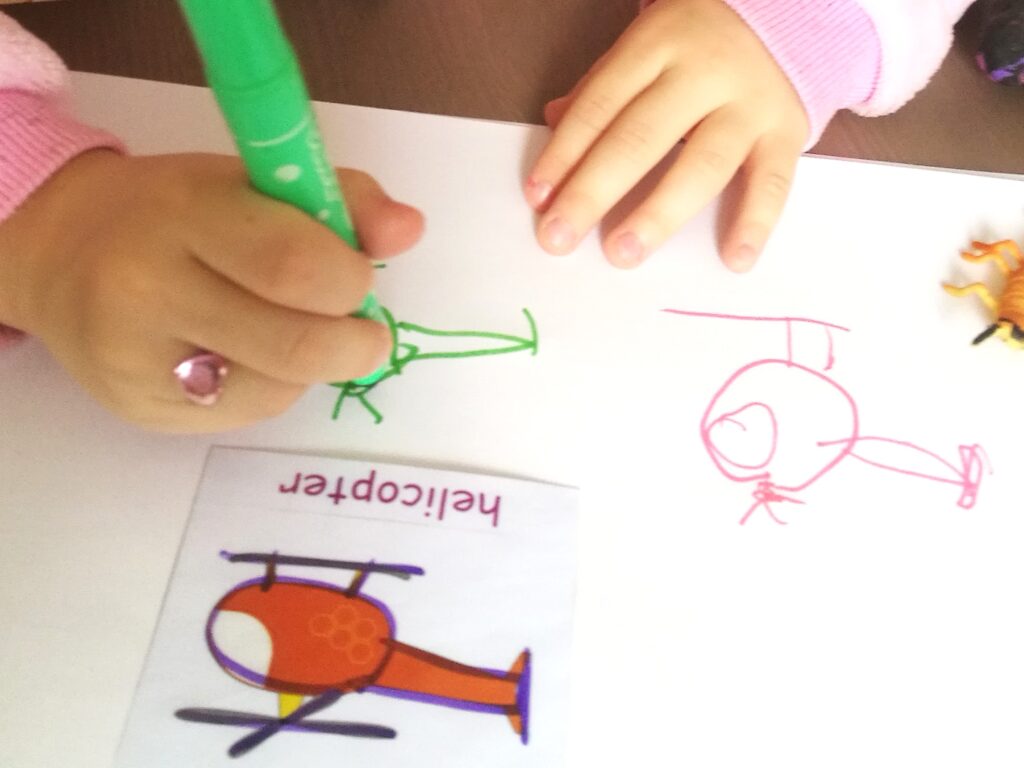
I’ve created a collection of thematic flashcards featuring simple, colorful pictures for kids. The designs are easy to copy, and the colors are essential for attracting attention.
Drawing from a flashcard provides excellent exercises for:
Breaking a picture into geometric shapes, using a marker or imaginary lines, helps children understand the anatomy of a picture and basic drawing techniques. These cards are versatile and can be used in countless ways!
***
The flashcard fun doesn’t stop here!
If your child is ready for new challenges and even more playful learning, check out this next: “10 More Learning Activities with Vocabulary Flashcards.” You’ll find fresh, creative ideas for older preschoolers, kindergarteners, and early elementary kids — all designed to keep learning fun.